Editor's Note: This article reviews published clinical trials and meta-analyses on berberine and honey's effects on glucose metabolism. We cite specific studies with PubMed IDs. This is educational content, not medical advice. Always consult healthcare professionals before making health decisions.
Meta-analyses examining thousands of research participants have documented effects of two compounds: berberine, a plant alkaloid, and natural honey, a complex sugar source.
Researchers observed that berberine affected one metabolic pathway (AMPK activation) while honey appeared to affect different mechanisms in study participants. Scientists have proposed a "dual-action" hypothesis, though no studies have tested this combination.
Here's what published clinical trials measured:
Part 1: Berberine Research Findings
What researchers measured in participants taking berberine in clinical trials
Clinical Evidence: Blood Sugar Reduction
A 2008 landmark study published in Metabolism (PMID: 18442638) examined berberine in Type 2 diabetes patients. Results showed:
- HbA1c decreased from 9.5% to 7.5% in study participants
- Fasting glucose dropped from 10.6 to 6.9 mmol/L
- Post-meal glucose reduced from 19.8 to 11.1 mmol/L
Source: Yin J, et al. Metabolism. 2008 May;57(5):712-7.
Observed Mechanism: AMPK Pathway
Researchers observed that berberine activated AMP-activated protein kinase (AMPK) in laboratory and clinical studies. Scientists measured these changes in study participants:
- Increased glucose uptake in muscle cells was measured
- Decreased glucose production in the liver was documented
- Changes in insulin receptor markers were observed
- Fatty acid oxidation changes were measured
Researchers observed this pathway in laboratory and clinical studies. Berberine is not FDA-approved as a medication.
Clinical Trial: Metabolic Syndrome Measurements
A randomized, double-blind, placebo-controlled trial (PMID: 23808999) measured outcomes in participants taking 500mg berberine three times daily for 3 months. Researchers documented that 36% of berberine participants met remission criteria for metabolic syndrome (P=0.037). Measurements showed changes in:
- • Waist circumference (decreased in berberine group)
- • Systolic blood pressure (decreased in berberine group)
- • Triglycerides (decreased in berberine group)
- • Insulin resistance markers (improved in berberine group)
Source: Pérez-Rubio KG, et al. Metabolic Syndrome and Related Disorders. 2013 Jun;11(5):366-9.
Part 2: Honey Research Findings
What researchers measured comparing honey to refined sugars in clinical trials
Clinical Evidence: Superior Insulin Response
A controlled trial (PMID: 2951092) published in the Saudi Medical Journal compared honey, glucose, and sucrose in diabetic patients. The findings were remarkable:
Blood Sugar Response:
- Honey had a lower glycemic index than sucrose
- Honey caused lower peak glucose elevation compared to dextrose and sucrose
Insulin Response (The Key Difference):
- Honey caused greater elevation of insulin compared to sucrose
- C-peptide levels increased significantly with honey vs. glucose or sucrose
Observed in trial: Researchers measured higher insulin secretion in participants consuming honey compared to those consuming refined sugars in this specific study.
2025 Meta-Analysis: 69 Clinical Trials
A comprehensive 2025 meta-analysis published in Nutrition & Diabetes examined 69 randomized controlled trials with 3,544 participants. The findings on 10g daily honey consumption:
✓ Positive Effects:
- • Lowered HbA1c (long-term glucose control)
- • Reduced inflammatory markers (CRP)
- • Improved lipid profiles
- • Enhanced adiponectin (insulin sensitivity)
⚠ Important Limitations:
- • May increase fasting blood glucose in some
- • Potential effects on blood pressure
- • Dose-dependent (10g = 0.5 tablespoon limit)
- • Must replace other sugars, not add to diet
Source: Mohammadi-Sartang M, et al. Nutrition & Diabetes. 2025;15:5. DOI: 10.1038/s41387-025-00403-9
Proposed Mechanisms (Hypotheses)
Researchers have proposed several hypotheses about honey's composition:
1. Antioxidant Content
Honey contains polyphenols and flavonoids. Researchers have proposed these may affect pancreatic cells, but this has not been proven in humans.
2. Fructose-Glucose Composition
Honey's fructose-glucose ratio differs from high-fructose corn syrup. Whether this difference produces metabolic benefits in humans is not fully established.
3. Mineral & Enzyme Content
Raw honey contains trace minerals and enzymes. Whether these quantities are sufficient to affect glucose metabolism in humans is unknown.
4. Measured Anti-inflammatory Markers
Studies measured reduced inflammation markers in some participants consuming honey. Whether this translates to metabolic benefits varies among individuals.
The Dual-Mechanism Hypothesis (Unproven)
No published studies have examined berberine + honey together. The combination is a theoretical hypothesis based on separate mechanisms observed in different studies:
Berberine Mechanism
- • Studies measured AMPK pathway activation
- • Trials documented increased glucose uptake
- • Research observed reduced liver glucose production
- • Changes in insulin receptor markers were measured
↓ Effects observed in clinical trials
Honey Mechanism
- • Studies measured increased insulin secretion
- • Beta cell protection is hypothesized, not proven in humans
- • Some trials measured reduced oxidative stress markers
- • Honey contains polyphenols (effects vary)
↓ Effects measured in some trials
Theoretical Synergy
Researchers observed berberine's AMPK effects in separate studies from honey's insulin effects. Whether combining them produces additive or synergistic benefits is unknown. No research has tested this combination.
Critical: This is an untested hypothesis. No clinical trials have examined the berberine + honey combination. Whether the combination is more effective than either ingredient alone is completely unknown.
Critical Safety Information
Berberine Safety Profile
- • Common side effects: Digestive discomfort (34.5% of participants in clinical trials)
- • Drug interactions: Can interact with diabetes medications, blood pressure drugs, antibiotics
- • Hypoglycemia risk: May lower blood sugar too much when combined with diabetes medications
- • Contraindications: Pregnancy, breastfeeding, children, upcoming surgery (stop 2 weeks before)
- • Medical supervision required: Liver disease, kidney disease, low blood pressure
Honey Safety Profile
- • Dosage matters: Research shows 10g daily is beneficial; higher doses may have adverse effects
- • Blood sugar paradox: While better than refined sugar, honey still contains calories and carbohydrates
- • Individual variation: Some people with diabetes may experience blood sugar increases
- • Replacement, not addition: Honey should replace other sugars, not be added to existing diet
- • Infant safety: Never give honey to children under 1 year (botulism risk)
Medical Disclaimer
Berberine and honey are not approved diabetes treatments and must not replace prescribed medications. Research documented effects in controlled trials, not real-world use. Anyone with diabetes, metabolic syndrome, or taking medications must consult their healthcare provider before using berberine or changing sugar intake. Blood glucose monitoring is essential. Combining berberine with diabetes medications can cause dangerous hypoglycemia.
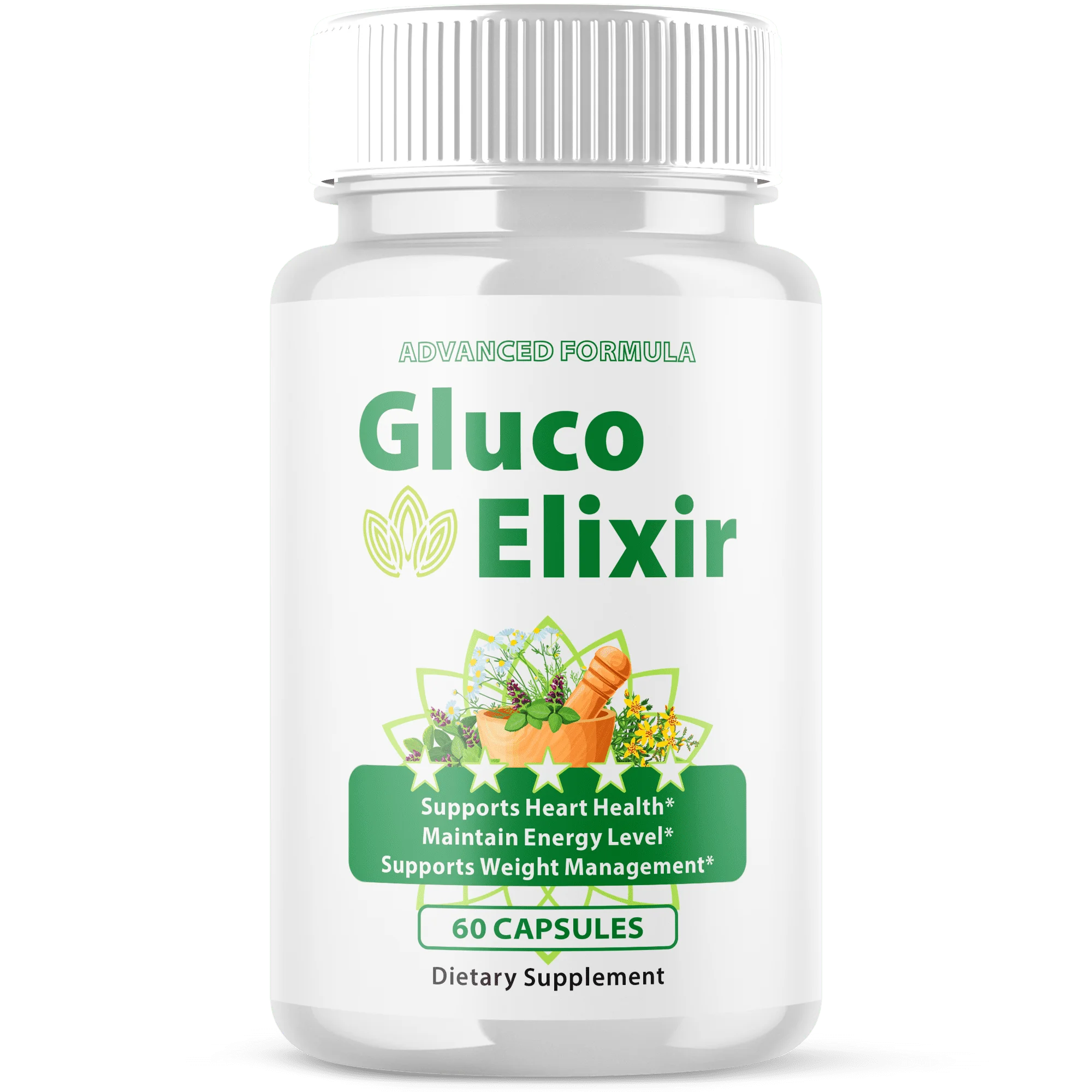
Gluco Elixir: A Commercial Formula (Untested)
Gluco Elixir is a commercial product based on the dual-mechanism hypothesis. No clinical trials have tested Gluco Elixir. The hypothesis that combining berberine and honey produces benefits beyond either ingredient alone is unproven.
The formula contains berberine and honey extract at dosages based on separate research studies. Whether this specific combination or formula produces any benefits in users is unknown. Research cited studied individual ingredients, not Gluco Elixir.
Ingredient Composition (Research on Individual Ingredients):
- Berberine HCL (1,500mg daily): Studies measured AMPK pathway activation (PMID 18442638, 23808999). Not tested in this formula.
- Natural Honey Extract: Trials measured insulin responses to honey (PMID 2951092). Whether extract form has same effects is unknown.
- Ceylon Cinnamon: One 2025 study examined berberine + cinnamon (PMID 39998703). Not specific to this formula.
- Chromium Picolinate: A mineral. Research on metabolic effects has mixed results.
- Alpha-Lipoic Acid: An antioxidant. Some studies measured metabolic markers; results vary.
- Gymnema Sylvestre & Banaba Leaf: Traditional herbs with limited human clinical data.
Critical Note: Gluco Elixir is a dietary supplement, not a medication. No clinical trials have tested Gluco Elixir. The research cited studied individual ingredients in isolation, not this specific combination or formula. Whether users will experience any effects is unknown.
Suggested Usage (Based on Separate Studies)
Product instructions suggest one serving before each main meal (3 times daily), based on separate research studies:
- Berberine trials used 500mg three times daily
- Honey studies measured effects up to 10g daily
- Pre-meal timing used in some trials
Critical: Gluco Elixir has not been tested in clinical trials. This is not a medication replacement. Whether users will experience any effects cannot be predicted. Blood glucose monitoring is essential. Medical supervision is required.
Frequently Asked Questions
Has research tested berberine + honey together?
No. Zero published studies have tested berberine + honey together. Research exists on each ingredient separately. Berberine trials measured AMPK pathway changes. Honey trials measured insulin secretion. Whether combining them produces any benefit is completely unknown. The combination is an untested hypothesis, not proven science.
Can Gluco Elixir replace my diabetes medication?
Absolutely not. Never stop or reduce prescription medications without explicit medical guidance. Berberine is not FDA-approved as a diabetes drug. Gluco Elixir is a dietary supplement intended as a complementary approach only under medical supervision. Combining it with diabetes medications could cause dangerous hypoglycemia.
Honey is sugar - what did research actually measure?
Studies measured different responses to honey versus refined sugars in controlled trials. Some trials documented higher insulin secretion and lower glycemic response with honey versus sucrose in specific participants. However, honey still contains sugar and calories. The 2025 meta-analysis showed 10g daily was associated with some benefits, but higher amounts showed different effects. Individual responses varied widely. People with diabetes showed inconsistent responses across different studies.
What are the actual side effects I should expect?
Based on clinical trials: About 1 in 3 people experience digestive discomfort (gas, bloating, diarrhea) when starting berberine, usually temporary. If you're on diabetes medication, berberine can lower blood sugar too much, causing dizziness, shakiness, or confusion (hypoglycemia) — this is dangerous and requires medical monitoring. Honey adds calories and carbs, which some people with diabetes may not tolerate well. Start slowly and monitor blood glucose closely.
What timeframes did research studies use?
Berberine trials showing metabolic changes lasted 8-12 weeks. The metabolic syndrome study measured outcomes at 3 months. Individual responses varied among participants - some showed changes, others showed no measurable differences. Gluco Elixir has not been studied. Whether individual users will experience any effects, or on what timeframe, cannot be predicted.
Who absolutely should NOT take this?
Do not use if: pregnant or breastfeeding (safety unknown); under 18 years old; scheduled for surgery within 2 weeks (affects blood sugar during surgery); severe liver or kidney disease; hypoglycemia history; taking certain antibiotics, blood thinners, or immunosuppressants. Always inform your doctor about all supplements you take. Berberine has significant drug interactions.
Research Summary
What clinical trials measured:
- Berberine: Trials measured blood sugar reductions in participants taking berberine (PMID: 18442638, 23808999). Not tested in Gluco Elixir.
- Honey: Studies measured insulin responses to honey consumption (2025 meta-analysis). Effects varied by dose and individual.
- Combination: Zero studies tested berberine + honey together. Whether combining them provides any benefit is unknown.
- Gluco Elixir: No clinical trials have tested this product. Individual results cannot be predicted.
Gluco Elixir is a commercial product containing ingredients studied separately in research trials. No clinical trials have tested Gluco Elixir. This is not a medical treatment.
Review Complete Research & Formula DetailsConsult your healthcare provider before starting any supplement, especially if you have diabetes or take medications.
Scientific References & Citations
Berberine Research:
1. Yin J, Xing H, Ye J. "Efficacy of berberine in patients with type 2 diabetes mellitus." Metabolism. 2008 May;57(5):712-7. PubMed PMID: 18442638. [Link]
2. Pérez-Rubio KG, González-Ortiz M, et al. "Effect of Berberine Administration on Metabolic Syndrome, Insulin Sensitivity, and Insulin Secretion." Metabolic Syndrome and Related Disorders. 2013 Jun;11(5):366-9. PubMed PMID: 23808999. [Link]
3. Zhang Y, et al. "Glucose-lowering effect of berberine on type 2 diabetes: A systematic review and meta-analysis." Frontiers in Pharmacology. 2022. PMID: 36467075. [Link]
Honey Research:
4. Samanta A, et al. "Plasma glucose responses to glucose, sucrose, and honey in patients with diabetes mellitus: an analysis of glycaemic and peak incremental indices." Saudi Medical Journal. 1985;6(4):329-36. PubMed PMID: 2951092. [Link]
5. Mohammadi-Sartang M, et al. "Dosage exploration of the effects of honey and its derivatives on cardiometabolic outcomes: an overview of systematic reviews and GRADE-assessed updated meta-analysis." Nutrition & Diabetes. 2025;15:5. DOI: 10.1038/s41387-025-00403-9. [Link]
6. Erejuwa OO, et al. "Honey: a novel antioxidant." Molecules. 2012;17(4):4400-23. Review of honey's antioxidant and metabolic properties. [PMC Link]
Synergistic Combinations:
7. Mirzaei S, et al. "The efficacy and safety of berberine in combination with cinnamon supplementation in patients with type 2 diabetes: a randomized clinical trial." PubMed. 2025. PMID: 39998703. [Link]
Research Transparency Note: All studies cited are published in peer-reviewed journals and accessible via PubMed or journal websites. This article summarizes existing research on individual ingredients; no published studies specifically examine the berberine + honey combination. For comprehensive medical guidance, consult healthcare professionals and primary research sources.
🎬 Watch this educational video for a deeper look at what researchers have found about this topic.
▶ Watch the Research VideoFree to watch · No sign-up required